
Full Story
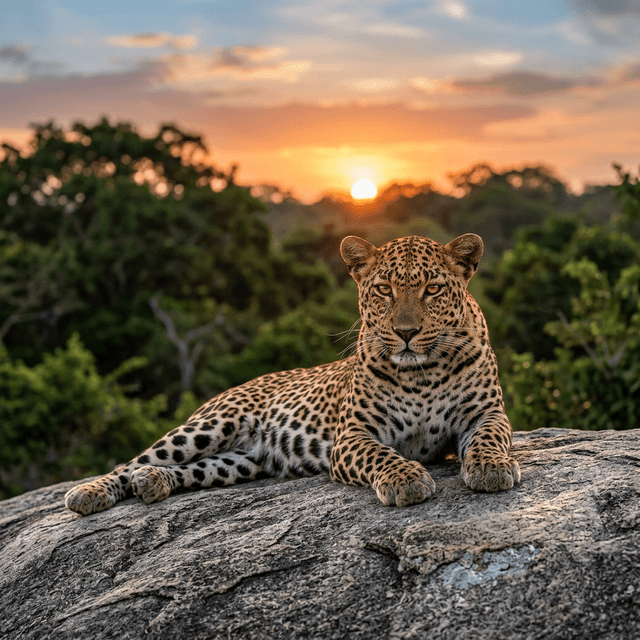
Sri Lanka is one of the best places in the world to see a wild leopard, and most people head straight for Yala. That makes sense, but leopards live across almost the whole island, from the dry lowlands to the misty hills. If Yala is closed, fully booked or simply too busy for your taste, there are other places with a real chance of a sighting.
Below, the parks are ranked roughly by how likely a visitor is to see a leopard on a short trip. "Likely" never means certain. These are wild cats, and even in the best park a drive can come back empty.
1. Yala National Park (Block 1)
Chances: The best in the country. Crowds: Heavy in peak season.
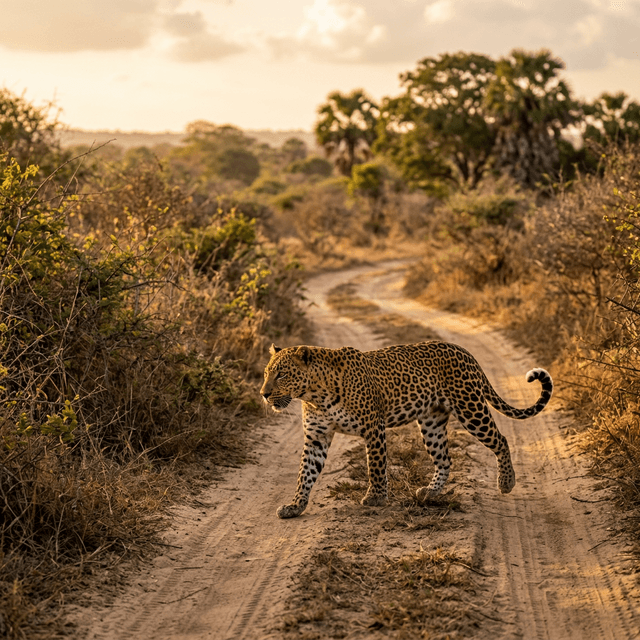
Block 1 of Yala has some of the highest leopard densities ever recorded, and many of its cats are relaxed around vehicles. On a dry-season morning, a lot of visitors see one on their first drive. The trade-off is traffic: a leopard by the road can attract dozens of jeeps. Go early, ask your driver for a calm drive, and plan at least two safaris. Everything you need is in our Yala leopard safari guide.
2. Wilpattu National Park
Chances: Good, especially over several drives. Crowds: Light.
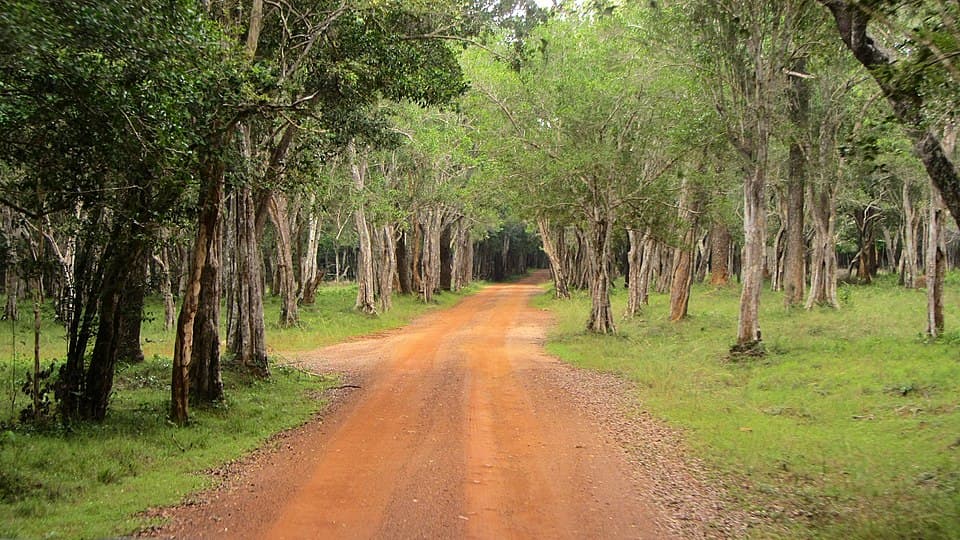
Wilpattu, in the northwest, is Sri Lanka's largest national park. Its forest is thicker than Yala's, broken up by natural sand-rimmed lakes called villus, and leopards often appear near the water or walking the sandy tracks. You may need more time to find one, but when you do, there may only be one or two other jeeps around. It is the best choice for people who want a wilder, quieter experience. See our Wilpattu safari guide.
3. Yala Block 5 and the Lunugamvehera side
Chances: Moderate. Crowds: Light.
The northern parts of the wider Yala landscape hold leopards too, but they see far fewer vehicles, so the cats are shyer. Block 5 is a good option during Block 1's annual closure and for repeat visitors. We compare the two in Yala Block 1 vs Block 5.
4. Kumana National Park
Chances: Moderate. Crowds: Very light.
Kumana sits on the east coast next to Yala and shares the same wider wildlife population. It is best known for its birdlife, but leopards are seen here regularly, sometimes on the rocks near the coast. It works well if you are staying in Arugam Bay. See our Kumana safari guide.
5. Wasgamuwa and Gal Oya
Chances: Low. Crowds: Very light.
Both parks have leopards, but they are mostly visited for other things: sloth bears and elephants in Wasgamuwa, and swimming elephants on the boat safari in Gal Oya. A leopard sighting here is a lucky bonus rather than a plan.
6. Horton Plains and the hill country
Chances: Low, but memorable. Crowds: Busy on the main trail, but leopards are seen away from people.
Leopards are the top predator in Sri Lanka's highland forests too, and they have been seen and photographed around Horton Plains, in tea estates and near forest edges in the central hills. Hill country leopards tend to be larger and darker than lowland ones, and they are mostly active at night. You cannot plan a hill country leopard sighting, but early morning walkers do occasionally get lucky.
7. Sinharaja and the wet zone forests
Chances: Very low. Crowds: Light.
The rainforests of the southwest are home to leopards, and most of Sri Lanka's few records of black (melanistic) leopards come from wet zone areas. Dense forest makes sightings extremely rare. Our page on the Sri Lankan black leopard explains what is actually known.
Quick comparison
| Place | Leopard chances | Crowds | Best months |
|---|---|---|---|
| Yala Block 1 | High | Heavy | February to July |
| Wilpattu | Good | Light | February to October |
| Yala Block 5 | Moderate | Light | February to October |
| Kumana | Moderate | Very light | April to September |
| Wasgamuwa, Gal Oya | Low | Very light | Dry season |
| Horton Plains | Low | Moderate | January to April |
Which one should you pick?
- Short trip and leopards are the priority: Yala Block 1, two or three drives.
- You dislike crowds and have time: Wilpattu, two days.
- Travelling in September or early October: Wilpattu, or Yala Block 5.
- Staying on the east coast: Kumana from Arugam Bay.
- Combining with the Cultural Triangle: Wilpattu is around an hour from Anuradhapura.
How to improve your odds anywhere
Whichever park you choose, the same things help: go out at dawn, book more than one drive, pick an experienced driver-tracker over a cheaper jeep, and be patient at likely spots instead of driving around fast. We explain what trackers look and listen for in how to spot a leopard on safari.