
Full Story
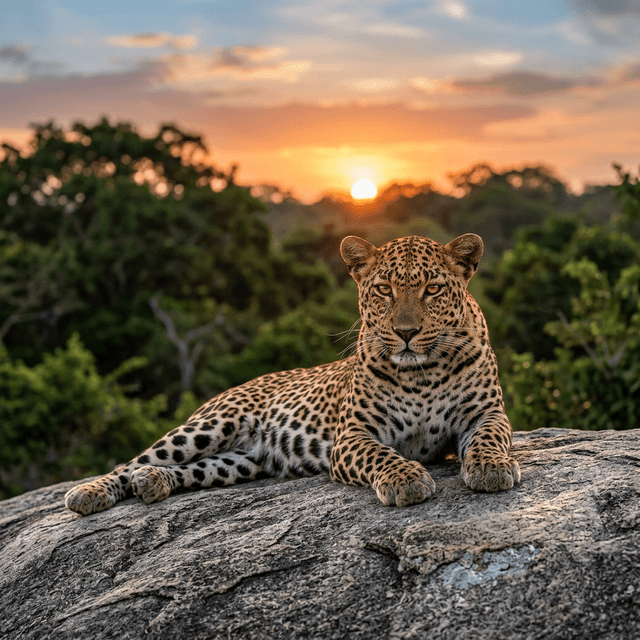
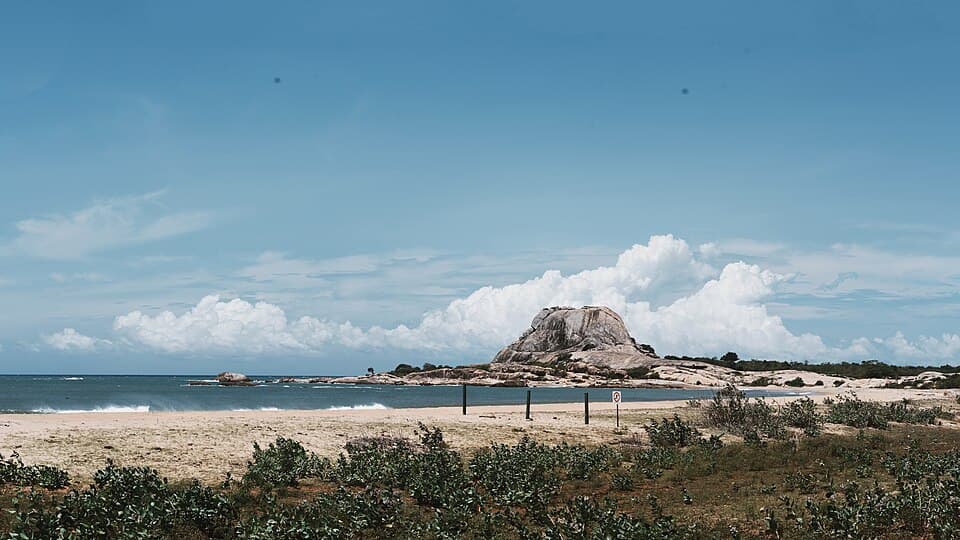
Kumana is what Yala must have felt like decades ago. It sits on the far side of the same wilderness, on Sri Lanka's east coast, but sees only a handful of jeeps on most days. You can drive for long stretches without meeting another vehicle, stop at a lagoon full of storks and spoonbills, and, with a bit of luck, find a leopard resting on a rock with no crowd at all.
It is best known as a birding park, but it is much more than that. Here is how to plan a visit.
Kumana at a glance
- Location: Southeast coast, south of Arugam Bay, adjoining Yala to the west.
- Entrance: Near Okanda, about an hour's drive south of Arugam Bay via Panama.
- Best known for: Nesting water birds at Kumana Villu, plus elephants, leopards and crocodiles.
- Best months: April to September, with nesting at its peak around May to July.
- Crowds: Very light.
Kumana Villu and the nesting season
The heart of the park for birders is Kumana Villu, a large mangrove-fringed swamp lake. From around April to July, thousands of water birds gather here to nest, building colonies in the mangroves and trees. Painted storks, Asian openbills, spoonbills, black-headed ibises, little cormorants, herons and egrets can all be nesting at once, and the noise and activity are remarkable. Waders and migrants join them in the cooler months.
Other species to look for across the park include pelicans, lesser adjutants, black-necked storks (rare in Sri Lanka), crested serpent eagles, white-bellied sea eagles, Malabar pied hornbills, bee-eaters and peafowl.
Mammals and leopards
Kumana shares its wildlife with Yala, so the same species are here: Asian elephants, leopards, sloth bears, spotted deer, sambar, buffalo, wild boar and golden jackals. Leopards are seen less often than in Yala's Block 1, but they are present and sometimes seen on rocky outcrops and along the tracks. Because so few vehicles visit, a sighting here can be long and peaceful. See where to see leopards in Sri Lanka for how Kumana compares with other parks.
Best time to visit
- April to July: Best for nesting birds at Kumana Villu.
- May to September: Dry season, good for mammals and easy driving. Also the surfing season in Arugam Bay, so the two fit together naturally.
- October to March: The northeast monsoon brings rain to the east coast. Some tracks can close after heavy rain, and the park is at its quietest. Migrant birds are present.
Morning or afternoon?
Morning drives are best for birds, which are most active and vocal after dawn, and for cooler temperatures. Afternoons are good for mammals coming to drink. Kumana's gates open at around 6:00 am, and since the drive from Arugam Bay takes about an hour, a morning safari means leaving at around 5:00 am.
Getting there
Almost everyone visits Kumana from Arugam Bay. The road runs south through the village of Panama, past lagoons and paddy fields where elephants and birds are often seen, to the entrance near Okanda. Okanda is also home to an important Hindu temple and is the point where pilgrims on the Pada Yatra walk to Kataragama enter the park on foot.
There is no road through the park to Yala, so if you are coming from Tissamaharama, you have to drive around via Buttala and Monaragala, which takes several hours.
Costs and booking
Jeeps for Kumana are usually arranged from Arugam Bay, through your guesthouse or a local operator. Some include the transfer to the park entrance, others meet you there. Park fees are generally lower than at Yala. Ask for a driver who knows birds well if that is your focus. See our safari cost guide, or join our Kumana Mangroves Wildlife Safari.
Kumana vs Yala
| Kumana | Yala Block 1 | |
|---|---|---|
| Crowds | Very light | Heavy |
| Leopards | Present, seen occasionally | Seen often |
| Birds | Excellent, especially nesting season | Very good |
| Best base | Arugam Bay | Tissamaharama or Kirinda |
Tips
- Bring binoculars and, for photography, a long lens. Nesting colonies are viewed from a distance.
- Carry water and snacks. Facilities near the park are limited.
- Ask about the Kumana Villu viewpoint and the nearby coastal areas, which have their own wildlife.
- Pair Kumana with Bundala on the south coast if you are a keen birder.