
Full Story
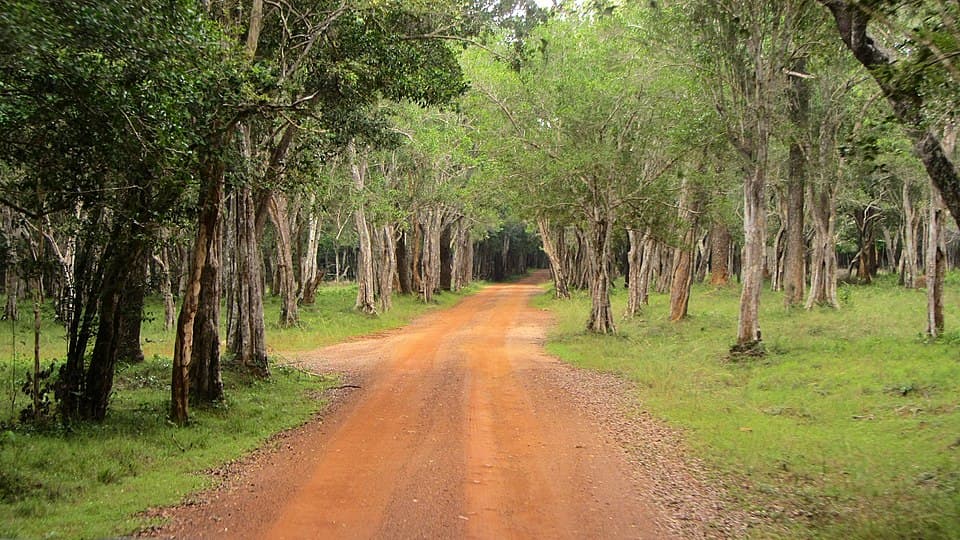
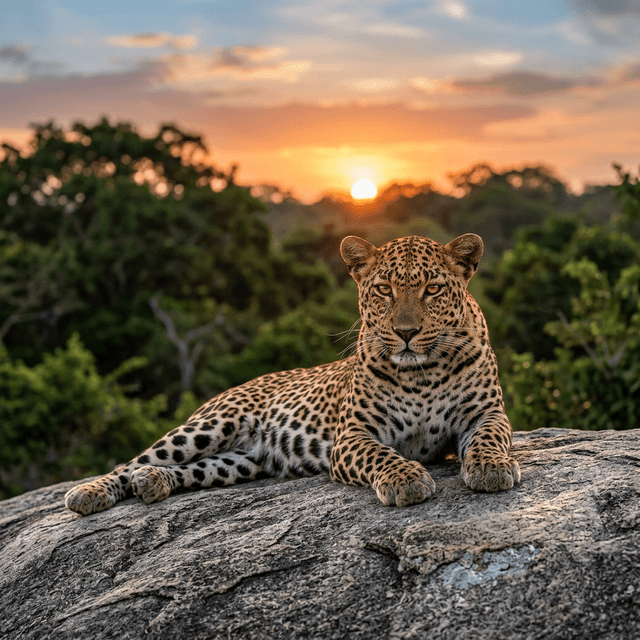
Wilpattu feels like the Sri Lanka safari people imagine before they go. You drive down long, sandy tracks through tall forest, and every so often the trees open onto a still, shallow lake fringed with white sand. A crocodile slides into the water. A family of spotted deer looks up. And sometimes, at the far end of the lake, a leopard walks down to drink as if you were not there.
It is quieter, wilder and more patient than Yala. Here is how to plan a visit.
Wilpattu at a glance
- Location: Northwest Sri Lanka, between Puttalam and Anuradhapura.
- Size: Over 1,300 square kilometres, the largest national park in Sri Lanka, though only part is open to visitors.
- Main entrance: Hunuwilagama, on the eastern side, reached from Anuradhapura or the Puttalam road.
- Opening hours: Around 6:00 am to 6:00 pm.
- Best known for: Leopards, sloth bears, villus (natural lakes) and a quiet, remote atmosphere.
- Best months: February to October.
What makes Wilpattu different
The name comes from "villu", the Sinhala word for the natural, rain-filled lakes scattered through the forest. There are dozens of them. They are shallow, sandy-edged basins that collect water in the wet season and slowly shrink through the dry months. Wildlife moves between them, and so do the safari jeeps.
The forest between the villus is much denser than Yala's open scrub. That makes animals harder to spot, but it also gives Wilpattu its special feeling of being in real wilderness. The park was also closed for many years during Sri Lanka's civil conflict and only reopened fully in the early 2000s, which partly explains why it still sees so few visitors.
Leopards in Wilpattu
Wilpattu has a healthy leopard population, and leopards here are seen regularly by patient visitors. They are more spread out than in Yala's Block 1, and less used to vehicles, so you usually need more time. The best places to look are near the villus in the early morning and late afternoon, and on the sandy tracks, where the cats like to walk.
The reward is the quality of the sighting. In Wilpattu, a leopard is often shared with just one or two other jeeps, or none at all. If that matters to you more than the odds, Wilpattu is a great choice. We compare the two parks in detail in Wilpattu vs Yala for leopards.
Other wildlife
- Sloth bears: Wilpattu is one of the best parks for them, especially during the palu fruit season around June and July. See our sloth bear guide.
- Elephants: Present but in smaller numbers than in Udawalawe or Minneriya.
- Deer and others: Spotted deer, sambar, barking deer, mouse deer, water buffalo, wild boar, mongooses and jackals.
- Reptiles: Mugger crocodiles in the villus, monitor lizards and the occasional python.
- Birds: Painted storks, open-billed storks, eagles, hornbills, peafowl and many water birds around the lakes.
Best time to visit
February to October is the best period. The villus are shrinking, wildlife concentrates around the water and the tracks are dry. From around October to December the northeast monsoon and inter-monsoon rains bring heavy showers, and some tracks can become difficult. Unlike Yala's Block 1, Wilpattu does not usually close for a set period each year, which makes it a strong leopard option in September and early October. See our best time for a leopard safari guide.
Half day or full day?
Wilpattu's size makes it different from other parks. Villus can be far apart, and a half day only covers a portion of the open area. A half-day drive, morning or afternoon, is fine for a first taste. A full-day drive, from opening to closing, is what most serious wildlife watchers choose, because it lets you reach further villus and wait patiently where there is activity. Bring a packed breakfast and lunch; there are designated stops where you can get out of the jeep.
Getting there
- From Colombo: About four hours by road to the Hunuwilagama entrance.
- From Anuradhapura: About 45 minutes to an hour, which makes Wilpattu an easy add-on to the Cultural Triangle.
- From Negombo or the airport: Around three and a half hours.
- From Kalpitiya: Around one and a half to two hours.
Where to stay
There are guesthouses, lodges and camps on the road to the Hunuwilagama entrance, many of them just a few minutes from the gate, so you can be at the park for opening without a very early start. Some offer full-board safari packages. Anuradhapura has more choice but means a longer drive in the morning.
Costs and booking
As at other parks, you pay a per-person entrance fee, service and vehicle charges and jeep hire. Fees for foreign visitors are broadly similar to Yala. Full-day jeeps cost more than half days. Most lodges near the gate arrange jeeps, or you can book with an operator in advance. Our safari cost guide has typical ranges, and our Wilpattu Lakes and Leopards Safari takes care of everything.
Tips for a good Wilpattu safari
- Choose a full day if leopards or bears are your priority.
- Bring binoculars. Animals at the far side of a villu can be a long way away.
- Be patient. Sitting quietly at a villu often beats driving between them.
- Pack insect repellent, especially after rain.
- Bring plenty of water and snacks, and take all your rubbish out with you.