
Full Story
The short answer is February to July, early in the morning, in Yala's Block 1. That combination gives most people their best chance of a good leopard sighting. But it is not the only good answer, and depending on when you are travelling and how much you dislike crowds, another park or month might suit you better.
Here is how timing really affects your odds, and what to do if your dates do not line up with the ideal window.
Why season matters so much
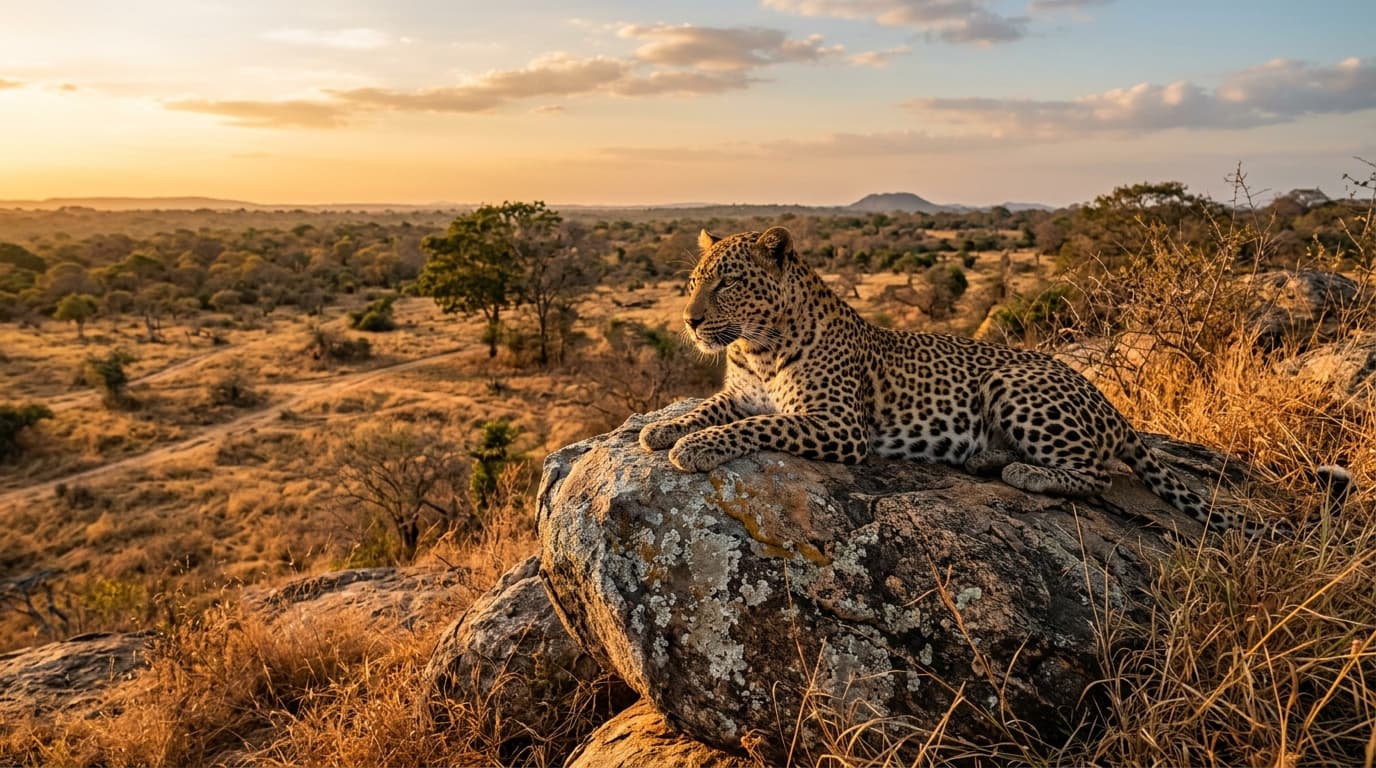
Leopards do not migrate, so the cats are in the parks all year. What changes with the seasons is visibility. In the dry months, waterholes shrink, grass dies back and the scrub thins out, so both the leopards and their prey are easier to spot and tend to stay near the remaining water. After the rains, everything turns green, water is everywhere and a leopard can disappear a few metres from the track.
Sri Lanka has two monsoons, which hit different parts of the island at different times. That is useful, because when one park is wet another is often dry.
Month by month for the main leopard parks
| Months | Yala (southeast) | Wilpattu (northwest) | Kumana (east) |
|---|---|---|---|
| January | Fair, still green after the rains | Fair, can be wet | Wet after the monsoon |
| February to April | Very good, drying out | Very good | Improving |
| May to July | Very good, plus sloth bears | Good, palu season brings bears | Good, quiet |
| August | Good but very dry and dusty | Good | Good |
| September to mid-October | Block 1 usually closed | Good, a strong alternative | Good |
| Late October to December | Reopens, greener, fewer visitors | Wet, heavy inter-monsoon rain | Northeast monsoon, heavy rain and some tracks closed |
Conditions shift from year to year, so treat this as a pattern rather than a promise. Our Wilpattu vs Yala comparison goes deeper into how the two leopard parks differ.
Best time of day
Leopards are most active around dawn and dusk and tend to rest through the hottest part of the day, often up a tree or in deep shade. That makes the first two hours after the gates open, and the last two before they close, the best windows.
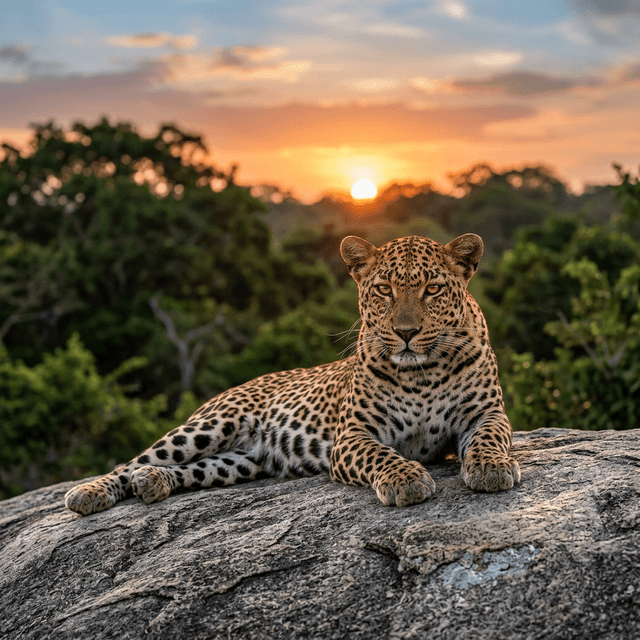
Mornings have a slight edge. Cats may still be moving or on a kill from the night, the tracks show fresh pugmarks and you have not yet met the main wave of jeeps. Afternoons are lovely too, especially for photography, because the light turns warm on the rocks. Many leopard sightings in Yala happen as cats come out to lie on the granite outcrops in the late afternoon.
A full-day safari gives you both windows plus the chance of a midday surprise. It is also the best way to sit patiently at a likely spot. We compare the options in morning vs evening safari.
What if you are travelling in September or October?
This is when Yala's Block 1 usually closes for a few weeks. You still have good options:
- Wilpattu is open and in good condition. Leopard sightings are less frequent than in Block 1, but the experience is quieter and more relaxed.
- Yala Block 5 often stays open during the closure. It has leopards, though they are shyer.
- Kumana, east of Yala, shares the same wider leopard population and sees very few vehicles.
Our Yala closure guide covers the alternatives in full, and where to see leopards in Sri Lanka lists every realistic option.
What about December and January?
These are busy months for tourism in Sri Lanka because the south and west coasts are at their best. Yala reopens after the closure and is lush and green. Leopard sightings still happen, but you may need more drives than in the dry season. The upside is beautiful scenery, active birdlife and wildflowers, and many people simply love the park at this time of year.
How many drives to plan
Timing improves your odds, but the number of drives matters just as much. One morning drive in Block 1 in the dry season gives you a reasonable chance. Two or three drives across two days turns a reasonable chance into a good one, because you give the tracker time to follow up on recent movements and you get both a morning and an evening window. Our safari length guide has suggested plans.
The bottom line
- Best overall: February to July, in Yala Block 1, on an early morning drive.
- Best for fewer crowds: Wilpattu from February to October, or Yala Block 5.
- Best for leopards plus bears: May to July in Yala or Wilpattu.
- Trickiest: September to mid-October for Yala Block 1 (closed), and November to January for wet conditions.