
Full Story
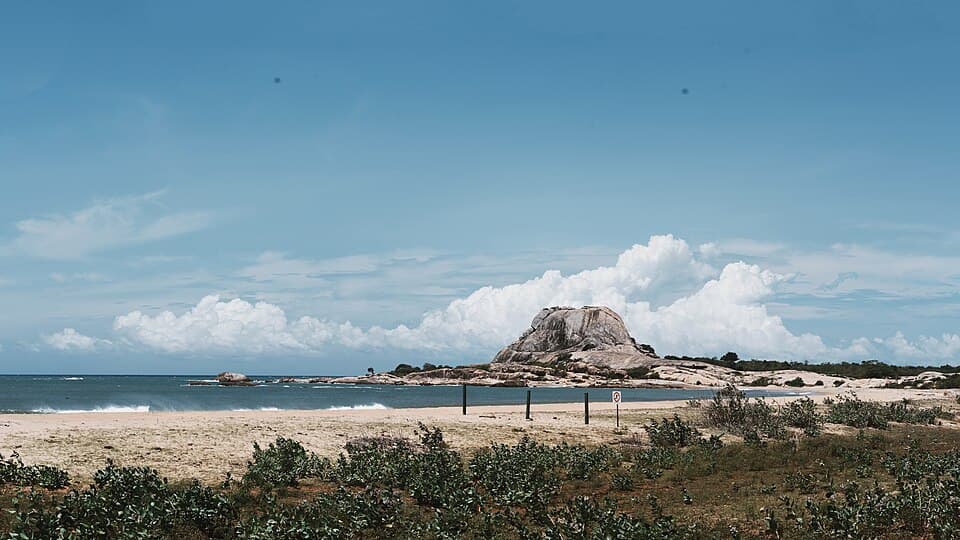
Yala is open most of the year and there is something to see in every season. But the park changes a lot between months. In the dry season it is dusty, golden and full of animals around the waterholes. After the rains it is green and lush, with fewer visitors and more birds. And for a few weeks every year, the main block closes altogether.
Here is what each part of the year is really like, so you can match the timing to what you want.
The short answer
- Best overall: February to July, when the park dries out and wildlife gathers near water.
- Best for sloth bears: Late May to July, during the palu fruit season.
- Avoid for Block 1: Early September to mid-October, when it usually closes.
- Greenest and quietest: Late October to January, though sightings can be harder.
How Yala's weather works
Yala sits in Sri Lanka's dry zone, in the southeast corner of the island. It gets most of its rain from the northeast monsoon, roughly from October to January, and stays fairly dry for much of the rest of the year. The southwest monsoon, which soaks the west coast and hill country from May to September, mostly passes Yala by, which is why the park can be hot and dry when Colombo and Galle are wet.
Temperatures are high all year, usually in the low 30s Celsius in the middle of the day, and the mornings are pleasant. Even in the rainy months, showers are often in the afternoon, and many mornings are clear.
Month by month
January
The end of the rainy season. The park is green, water is everywhere and the tracks can be muddy. Migrant birds are still around. Leopards are seen, but cover is thick. It is a busy month for tourism in Sri Lanka, so expect company on the main tracks.
February to April
The park dries out quickly. Grass shortens, waterholes start to shrink and animals become easier to see. This is one of the best periods for leopards and general game viewing. March and April are hot. Around the Sinhala and Tamil New Year in mid-April, the park can be very busy with local visitors.
May to July
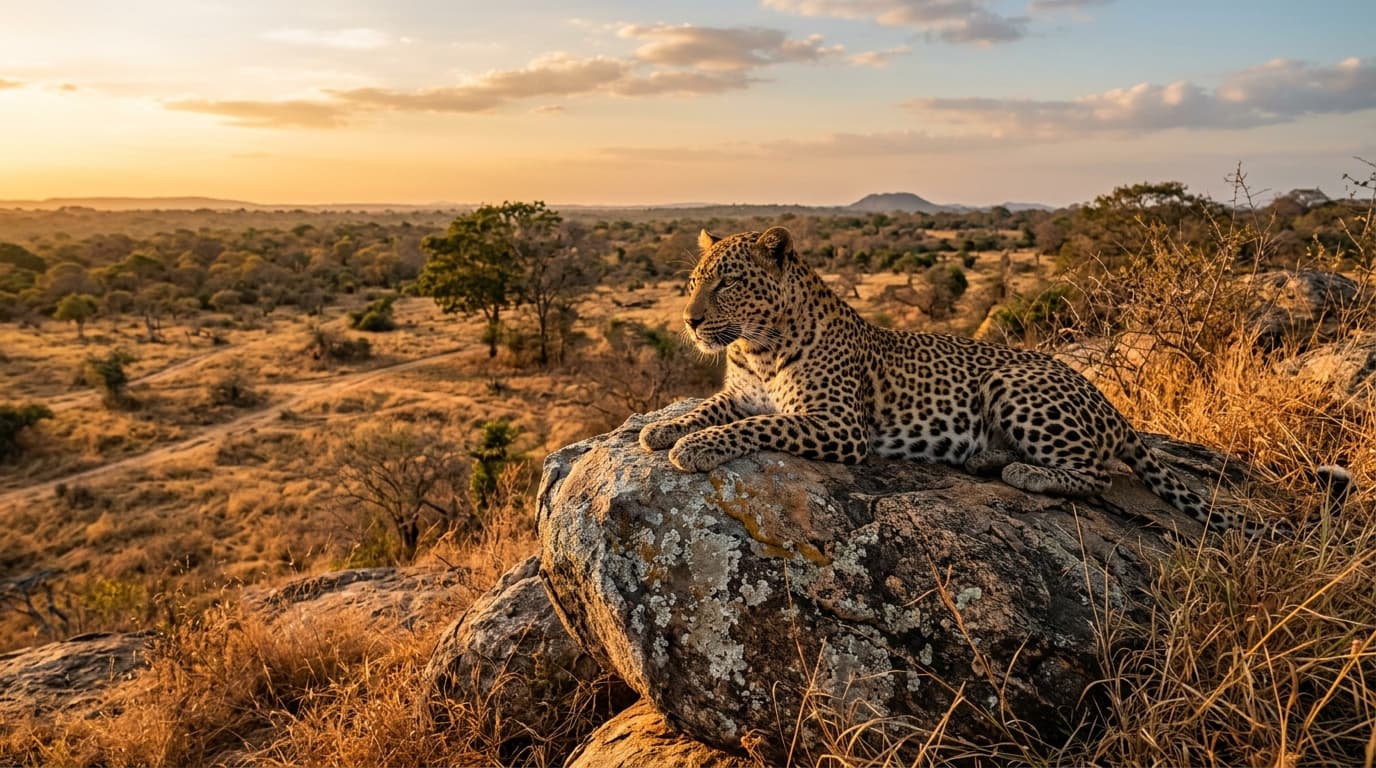
Dry, hot and excellent for wildlife. Palu trees fruit, drawing sloth bears into the open, and leopards are regularly seen near water and on rocks. It is also a quieter time for foreign tourists because the west coast is in its monsoon, so it can be a great time to visit.
August
Very dry and dusty. Wildlife viewing is still good, especially around the remaining water, but the landscape is harsh and the heat is intense. The park is busy with summer holiday travellers.
September to mid-October
Block 1 usually closes during this period so the park can rest during the driest weeks. Exact dates are announced by the Department of Wildlife Conservation each year. Block 5 and nearby parks normally stay open. See our closure guide for the alternatives.
Late October to December
Block 1 reopens and the first rains arrive. The park turns green quickly, migrant birds return and there are fewer jeeps. Leopards are still there, but thicker vegetation makes them harder to find, so plan more drives if they are your priority. Heavy rain can occasionally close tracks.
Crowds through the year
Yala is busiest from December to March, during school holidays, and around long weekends and Poya holidays, when many Sri Lankan families visit. Weekdays outside these periods are quieter. If you want to avoid the crowds, May to July and late October to November are often good compromises, and you can always choose an afternoon drive or try Block 5.
Best time of day
Whatever the month, the first and last hours of the day are best. Gates open at around 6:00 am and close at about 6:00 pm. Morning drives catch animals still active after the night, and afternoon drives catch them waking up from the heat. Middays are hot, and most animals rest in the shade. See morning vs evening safari.
What to pack by season
- Dry season: A scarf or buff for dust, a wide-brimmed hat, sunscreen, plenty of water and a dust cover for your camera.
- Wet season: A light rain jacket, a dry bag for electronics, and insect repellent.
- All year: Binoculars, neutral clothing and a light layer for the early morning, when an open jeep can feel cool.
Our safari packing list has more detail.
Planning around the rest of your trip
Yala combines well with the south coast and Ella. If you are travelling from December to March, when the south coast beaches are at their best, it is easy to add a couple of days in Tissamaharama. In the middle of the year, when the southwest monsoon is on, Yala is still dry and pairs well with the east coast around Arugam Bay. See our wildlife itinerary for ideas.