
Full Story
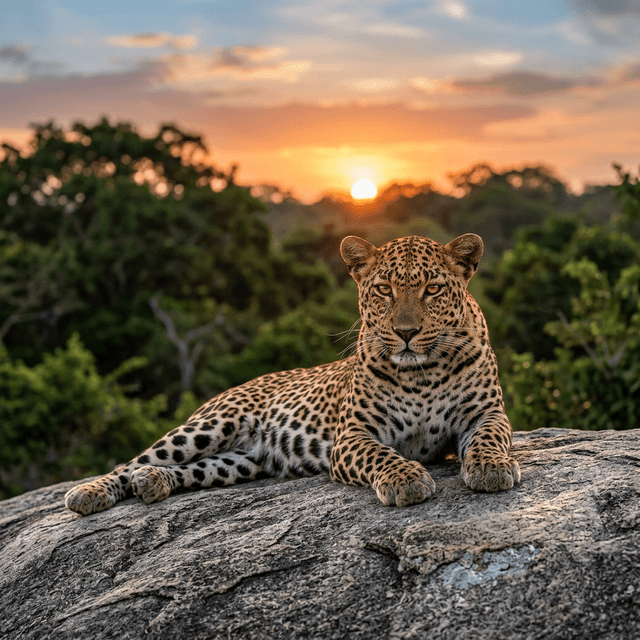
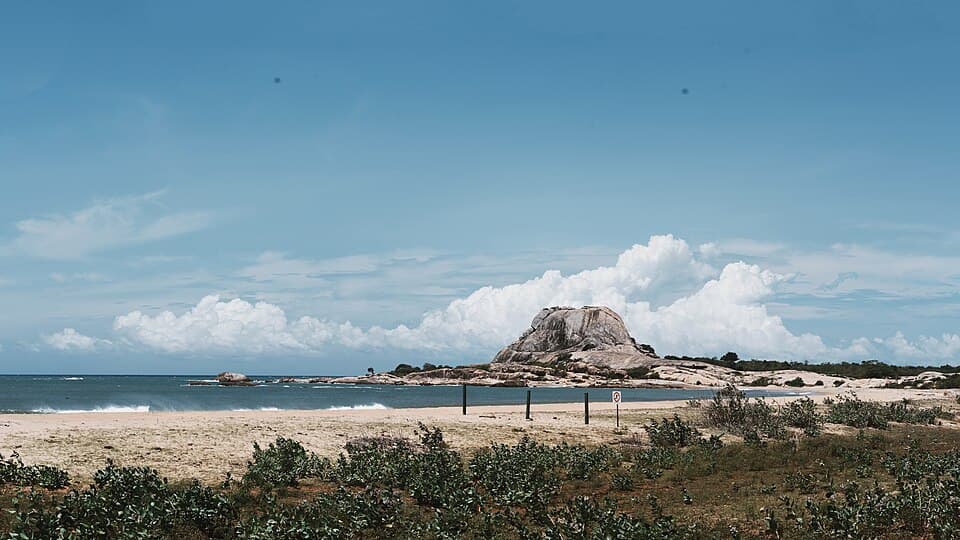
Yala is Sri Lanka's most visited national park and, for many travellers, the reason they add a safari to the trip at all. It is famous for leopards, but it is just as good for elephants, sloth bears, crocodiles and birds, and the scenery is some of the most varied on the island: dry scrub, open grassland, rock outcrops, lagoons and a wild stretch of coast.
This is the practical side of planning a Yala safari. If leopards are your main goal, read this alongside our Yala leopard safari guide.
Yala at a glance
- Location: Southeast Sri Lanka, in the Hambantota and Monaragala districts.
- Main gate: Palatupana, about 20 km from Tissamaharama.
- Size: Close to 1,000 square kilometres, split into blocks. Block 1 is the one most visitors see.
- Opening hours: Around 6:00 am to 6:00 pm.
- Best known for: Leopards, sloth bears, elephants, crocodiles and coastal birdlife.
- Annual closure: Block 1 usually closes for several weeks between September and mid-October.
How the park is laid out
Yala is divided into five blocks, plus the adjoining Strict Nature Reserve, which is closed to the public. Block 1 in the southwest is the original heart of the park and has the most tracks, the most leopards used to vehicles and the most visitors. Block 2, next to it, is often accessed as part of longer drives. Block 5 in the north is quieter and greener, reached from a separate entrance, and is popular with repeat visitors who want to avoid the crowds. Blocks 3 and 4 are larger and wilder, and see few tourists.
For most first-time visitors, Block 1 is the right choice. We compare it with Block 5 in Yala Block 1 vs Block 5.
Best time to visit
February to July is usually the best period for wildlife, because the park dries out and animals gather near the remaining water. May to July is good for sloth bears, which come out to feed on palu fruit. November to January is wetter and greener, with fewer visitors but thicker cover. Block 1 normally closes from early September to mid-October; the Department of Wildlife Conservation confirms the dates each year. There is a fuller breakdown in the best time to visit Yala.
Choosing a drive
| Option | Typical times | Good for |
|---|---|---|
| Morning half day | 5:30 am to 10:30 am | Leopards, cooler air, soft light |
| Afternoon half day | 2:30 pm to 6:00 pm | Leopards moving at dusk, golden light |
| Full day | 5:30 am to 6:00 pm | Serious wildlife watchers and photographers |
A half day is enough for most people on a first visit. If you have the time, two half days (one morning, one afternoon) usually give a better overall experience than a single full day, because you get two peak activity windows and a break in the heat. We weigh this up in morning vs evening safari.
What a Yala safari costs
You pay for three things:
- Park entry, charged per person. Foreign adults pay considerably more than locals, children pay less, and SAARC nationals get a reduced rate.
- Service and vehicle charges, plus VAT, added at the ticket office.
- Jeep hire, which covers the vehicle and driver. This is charged per jeep, so sharing with other travellers brings the per-person cost down.
As a rough guide, park fees for a foreign adult usually land around USD 30 to 45 per visit, and a private jeep for a half day costs roughly USD 40 to 70, more for a full day. Prices change and vary between operators, so always ask what is included. There is more detail in our safari cost guide.
How to book
You do not have to book months ahead, but it helps to arrange your jeep at least a day before in peak season. Your options are:
- Through your hotel in Tissamaharama or Kirinda. Easy, and the driver will pick you up.
- With a local safari operator recommended by recent reviews. Ask for an experienced driver-tracker and a jeep with good seating.
- As part of a tour, such as our Yala Leopard Quest, which handles transport, tickets and multiple drives.
Avoid accepting offers from people who approach you at the gate, because you cannot check the vehicle or driver. Our step-by-step safari booking guide explains what to ask before you pay.
Getting there and where to stay
Tissamaharama is the main base, with everything from guesthouses to comfortable hotels, and is about 30 minutes from the gate. Kirinda is quieter and a little closer. There are also tented camps and lodges right on the park boundary. From Ella it is about two hours by road, and from Mirissa or Galle around two and a half to three and a half hours. See how to get to Yala and where to stay near Yala.
What you might see
Leopards are the headline, but a good drive in Yala often includes elephants at a waterhole, mugger crocodiles in the lagoons, spotted deer and sambar, water buffalo, wild boar, golden jackals, grey langurs and toque macaques. Sloth bears are shy but seen fairly often in the dry months. The park also has more than 200 recorded bird species, from peacocks and painted storks to the Sri Lanka junglefowl, the national bird.
A few things worth knowing
- You must stay in the jeep at all times except at the designated rest stops.
- Speed limits apply inside the park, and drivers who race to sightings can be fined. Ask yours to take it easy.
- The 2004 tsunami memorial at Patanangala beach is a moving stop and a chance to stretch your legs.
- Bring cash for tips. Around LKR 1,000 to 2,000 per jeep for a good half-day drive is common, more for a full day.
- It gets dusty in the dry months. Cover your camera between sightings.