Full Story
What is the Yala National Park Annual Closure?
Every year, Sri Lanka's Department of Wildlife Conservation (DWC) enacts a temporary seasonal closure of Block 1 (Ruhuna National Park)—the most famous and heavily visited sector of Yala National Park. This routine pause typically takes place from early September to mid-October, coinciding with the peak of the dry season in the southeastern lowlands.
For travelers planning a trip to Sri Lanka during this period, hearing that Yala is closed can sound like disappointing news. However, understanding the ecological necessity behind this decision—and knowing the world-class alternative national parks ready to welcome you—will transform your travel plans into an unforgettable wildlife adventure.
Why Does Yala Close? The Science of Conservation
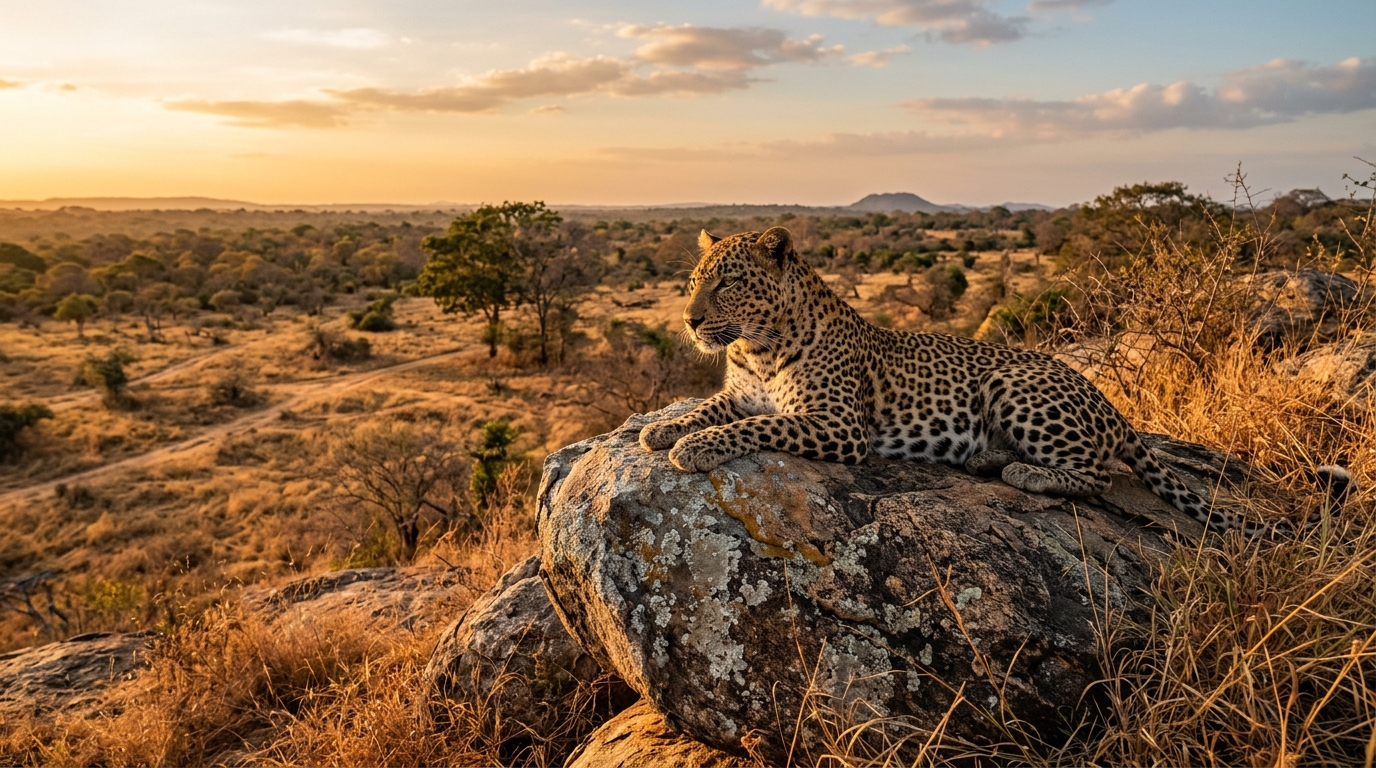
Yala National Park is celebrated worldwide for possessing one of the highest recorded densities of the endangered Sri Lankan Leopard (Panthera pardus kotiya). But intense popularity comes with ecological pressures. The annual closure is not an operational failure; it is an essential conservation milestone designed to protect the park's biodiversity:
- Severe Dry-Season Water Scarcity: By late August and September, natural seasonal streams, marshes, and small watering holes (*wewas*) dry up under relentless sunshine. Animals must travel longer distances to access the few remaining deep waterholes.
- Relief from Heavy Vehicle Stress: Yala attracts hundreds of safari jeeps daily during peak windows. Eliminating vehicle exhaust, engine vibrations, and dust clouds allows leopards, sloth bears, Asian elephants, and spotted deer to drink and forage undisturbed.
- Mating & Breeding Respite: Without the pressure of tracking jeeps, territorial big cats and elusive sloth bears enjoy vital peace during critical breeding cycles.
- Infrastructure & Habitat Management: The DWC mobilizes field teams during this window to grade and repair dirt safari tracks eroded by monsoons, de-silt watering holes, inspect electrical boundary fences, and carry out invasive weed eradication.
Is All of Yala Closed? Understanding the Park's Blocks
Yala National Park encompasses more than 978 square kilometers divided across six operational sectors or blocks. It is crucial to note that only Block 1 (Palatupana entrance) is completely closed to the general public.
- Block 1 (Ruhuna / Palatupana): Closed during the seasonal resting window (usually Sept 1 to mid-October).
- Block 5 (Weheragala Gate): Often remains accessible for low-density safari drives, offering scenic reservoir landscapes and quiet birdwatching.
- Galge & Lunugamvehera Corridor: The northern corridor connecting Yala to Lunugamvehera National Park frequently allows specialized game drives, subject to DWC regulations.
The 5 Best Safari Alternatives in Sri Lanka During Yala's Closure
If your journey brings you to Sri Lanka while Block 1 is resting, you are actually in luck. Sri Lanka is home to 26 national parks, and several reach their absolute wildlife peak precisely in September and October!
1. Minneriya & Kaudulla National Parks — Witness 'The Gathering'
If you are traveling between August and October, Minneriya National Park (and neighboring Kaudulla) in the Cultural Triangle should be at the very top of your bucket list. As surrounding forests dry up, up to 200 to 300 wild Asian elephants congregate on the exposed, lush green lakebeds of the ancient Minneriya tank.
Ranked by Lonely Planet and National Geographic as one of the Top 10 Wildlife Spectacles on Planet Earth, 'The Gathering' offers unmatched spectacles of elephant family bonds, playful calves frolicking in the mud, and gentle giants grazing peacefully against the sunset.
2. Wilpattu National Park — The Land of Lakes, Leopards & Bears
Located in the northwest, Wilpattu National Park is Sri Lanka's largest and oldest national sanctuary. Characterized by dense, enchanting dry-zone forests surrounding over 100 natural sand-rimmed rainwater lakes (*villus*), Wilpattu offers a deeply authentic, tranquil safari away from mass tourism crowds.
Wilpattu is famous for its healthy populations of Sri Lankan leopards and sloth bears. Watching a leopard emerge from the thick monsoon forest to drink at a tranquil villu is an experience that rivals any sighting in Yala.
3. Udawalawe National Park — Guaranteed Year-Round Wild Elephants
Situated in the southern foothills just 1.5 to 2 hours northwest of Yala, Udawalawe National Park is often described as Sri Lanka's mini-Serengeti. Its open savannah grasslands and massive central reservoir provide an almost 100% guarantee of wild elephant sightings on every single drive.
Udawalawe is also home to water buffaloes, spotted deer, wild boar, mugger crocodiles, crested serpent eagles, and jackals. Don't forget to visit the nearby Elephant Transit Home (ETH), where orphaned baby elephants are nursed back to health before being re-wilded.
4. Bundala National Park — UNESCO Biosphere & Birding Paradise
If you already have luxury hotel or glamping reservations in Tissamaharama or Hambantota, Bundala National Park is merely a 30-minute drive away. Recognized as a UNESCO Biosphere Reserve and Sri Lanka's first Ramsar wetland, Bundala features expansive coastal lagoons that host tens of thousands of migratory shorebirds, Greater Flamingos, and resident wetland species.
Bundala also shelters healthy numbers of Asian elephants, wild boars, grey langurs, and giant estuarine (saltwater) crocodiles.
5. Kumana National Park — The Untamed Eastern Wilderness
Occupying the eastern flank of the greater Yala ecosystem near Arugam Bay, Kumana National Park (formerly Yala East) is an unspoiled wilderness. Centered around the 200-hectare Kumana Villu mangrove swamp, it is one of the most significant bird breeding grounds in Asia, with rare black-necked storks, spoonbills, and painted storks nesting in abundance.
Because it shares contiguous boundaries with Yala, Kumana is also home to leopards, elephants, and sloth bears, making it a thrilling adventure for off-the-beaten-path explorers.
Practical Tips for Travelers During the Safari Season
- Confirm Dates with Your Operator: Official DWC dates are declared each season depending on rainfall. Reputable tour operators will verify the exact gazette notices for your travel window.
- Keep Your Southern Accommodation: If you booked a luxury lodge in Yala, Kirinda, or Tissamaharama, keep your stay! You can easily embark on early morning safaris into Bundala or take a scenic day trip to Udawalawe while enjoying your resort.
- Hire a Certified Tracker: Navigating parks like Wilpattu and Udawalawe with a knowledgeable Department of Wildlife Conservation tracker significantly enhances your chances of spotting elusive wildlife.
- Pack for the Dry Tropics: Carry polarized sunglasses, high-SPF mineral sunscreen, a wide-brimmed hat, neutral-colored linen or cotton clothing, and plenty of drinking water to stay comfortable under the equatorial sun.
Supporting Ethical Wildlife Tourism
The annual closure of Yala reminds us of the delicate balance between exploring our planet and respecting the living ecosystems that host us. By embracing the resting period of Yala Block 1 and exploring Sri Lanka's rich diversity of other protected parks, travelers actively promote sustainable tourism and give Sri Lanka's majestic wildlife the space it needs to thrive.