
Full Story
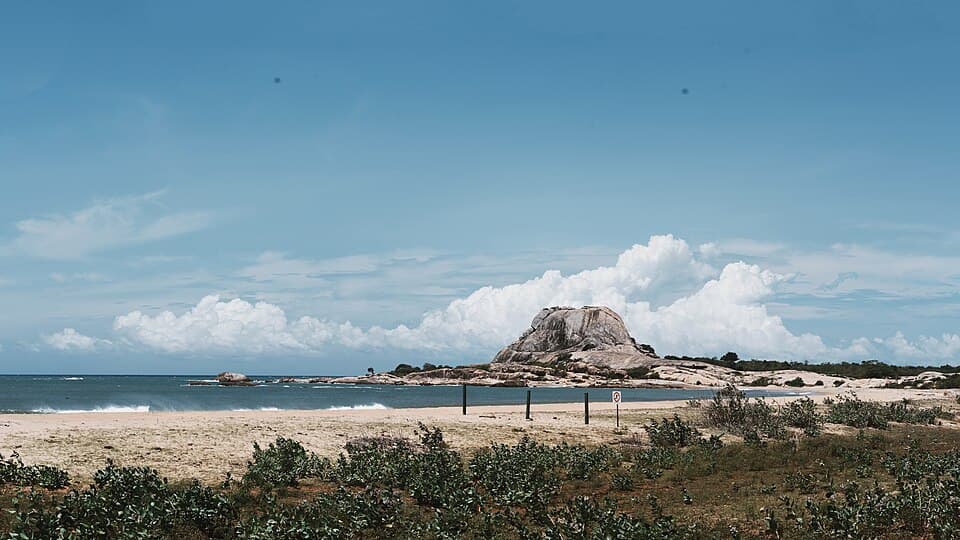
Bundala does not have Yala's leopards or Udawalawe's elephant herds, and that is exactly why it is worth a visit. It is a gentle, open park of shallow lagoons, salt pans, scrub and sand dunes on the south coast, and in the right season it is full of birds. Seeing a line of pink flamingos wading through a lagoon with the sea behind is one of the loveliest sights in southern Sri Lanka.
Bundala at a glance
- Location: South coast, between Hambantota and Tissamaharama.
- Size: Small, around 60 square kilometres.
- Status: Sri Lanka's first wetland of international importance under the Ramsar Convention, and part of a UNESCO biosphere reserve.
- Best known for: Water birds, migratory waders and greater flamingos.
- Best months: Roughly November to March for migrants and flamingos.
- Crowds: Light.
The birds
Bundala's lagoons sit on one of the main flyways for migratory birds arriving in Sri Lanka from the north. From around September or October to March, thousands of waders and shorebirds spend the winter here, including sandpipers, plovers, stints and godwits. Greater flamingos are the star attraction, usually present in this season, though their numbers vary a lot from year to year with water levels.
All year round you can see painted storks, spoonbills, pelicans, black-headed ibises, herons, egrets, cormorants, kingfishers and bee-eaters. Over 200 bird species have been recorded in the park.
Other wildlife
Bundala is excellent for mugger and saltwater crocodiles, which bask on the lagoon banks. You may also see elephants, which are present in small numbers, spotted deer, wild boar, jackals, grey langurs and monitor lizards. Four species of sea turtle nest on the beaches nearby, though nesting is not something you see on a normal safari.
What a safari is like
Drives last around three hours and follow tracks between the lagoons, scrub and dunes. The terrain is flat and open, so you see a lot from the jeep, and the pace is slower than in Yala because birdwatching rewards stopping and looking. Morning drives are best for active birds and cooler temperatures. Afternoon drives are good for light and for flamingos feeding.
Best time to visit
- November to March: Best for migratory waders and usually flamingos.
- April to October: Resident birds, crocodiles and a quieter park. Flamingos are less likely.
Bundala does not have a regular long closure, which makes it a good option during Yala's annual closure in September and early October.
Combining Bundala with Yala
Bundala is only around 30 minutes from Tissamaharama, so it fits perfectly into a stay near Yala. A popular plan is a morning leopard safari in Yala and an afternoon drive in Bundala, or the other way round. It is also a great choice for families, because drives are shorter and gentler. See our things to do near Yala and where to stay near Yala.
Costs and booking
Park fees are lower than at Yala, and jeep hire is similar for a half day. Most hotels in Tissa can arrange a jeep, but if birds are your focus, ask specifically for a driver or guide who knows them well. Our safari cost guide has more detail, and our Bundala and Kumana Wetlands Birding tour covers both parks.
Tips
- Bring good binoculars. Waders are small and often far away.
- A field guide or a birding app helps you put names to what you see.
- Wear a hat and sunscreen. There is little shade.
- Expect to stop often and stay a while at each lagoon. That is how birding works.