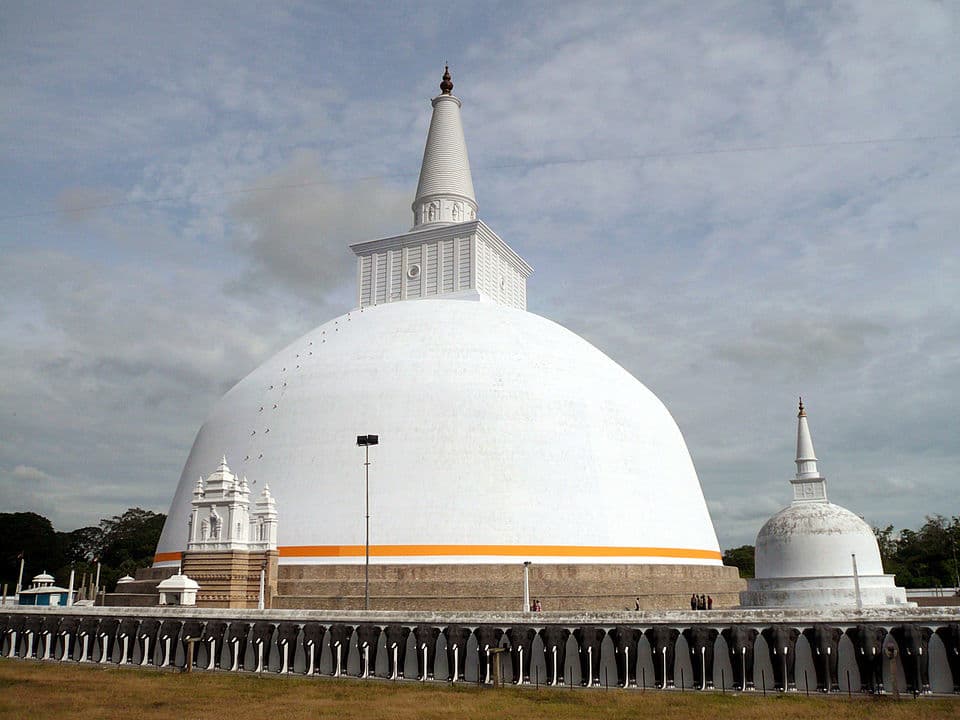
Somawathiya Stupa
Cultural Wonder in North Central Region
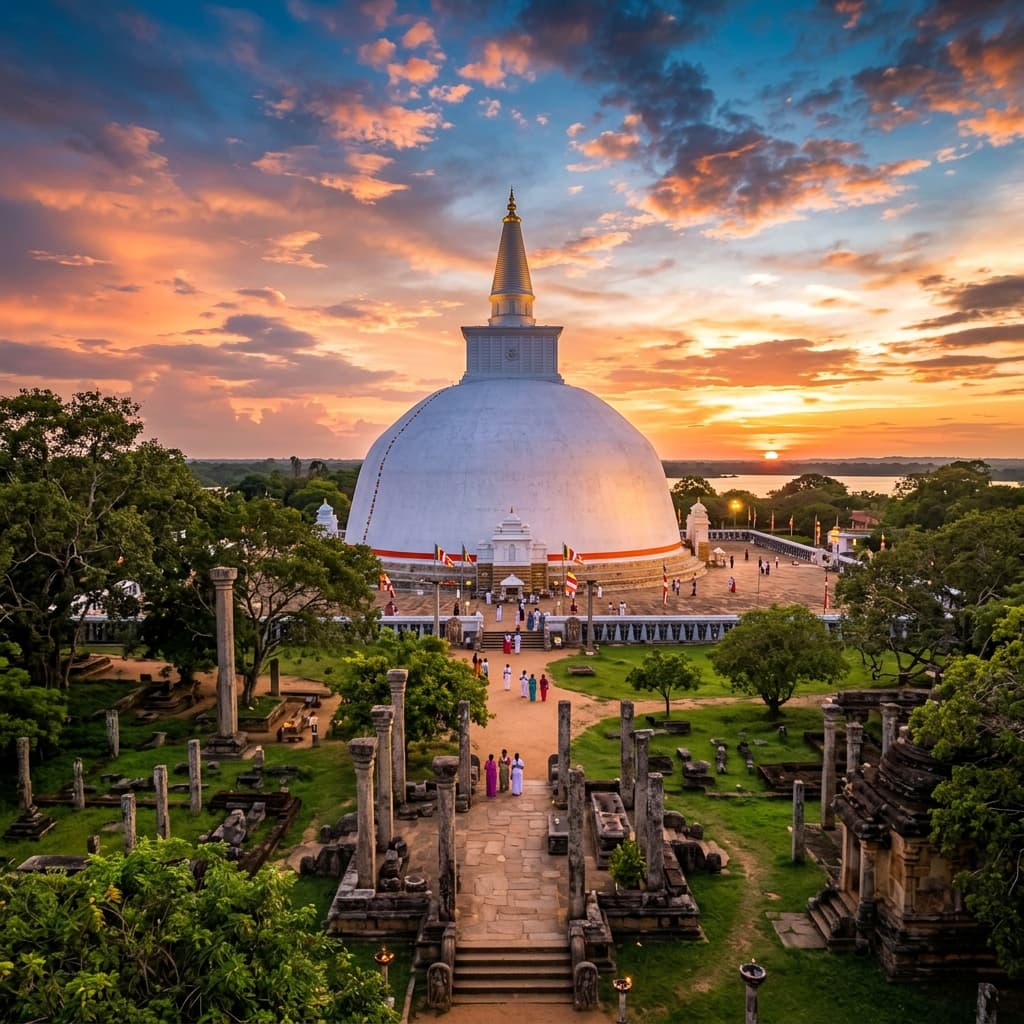
The beautiful scenery of Somawathiya Stupa
Somawathiya Stupa
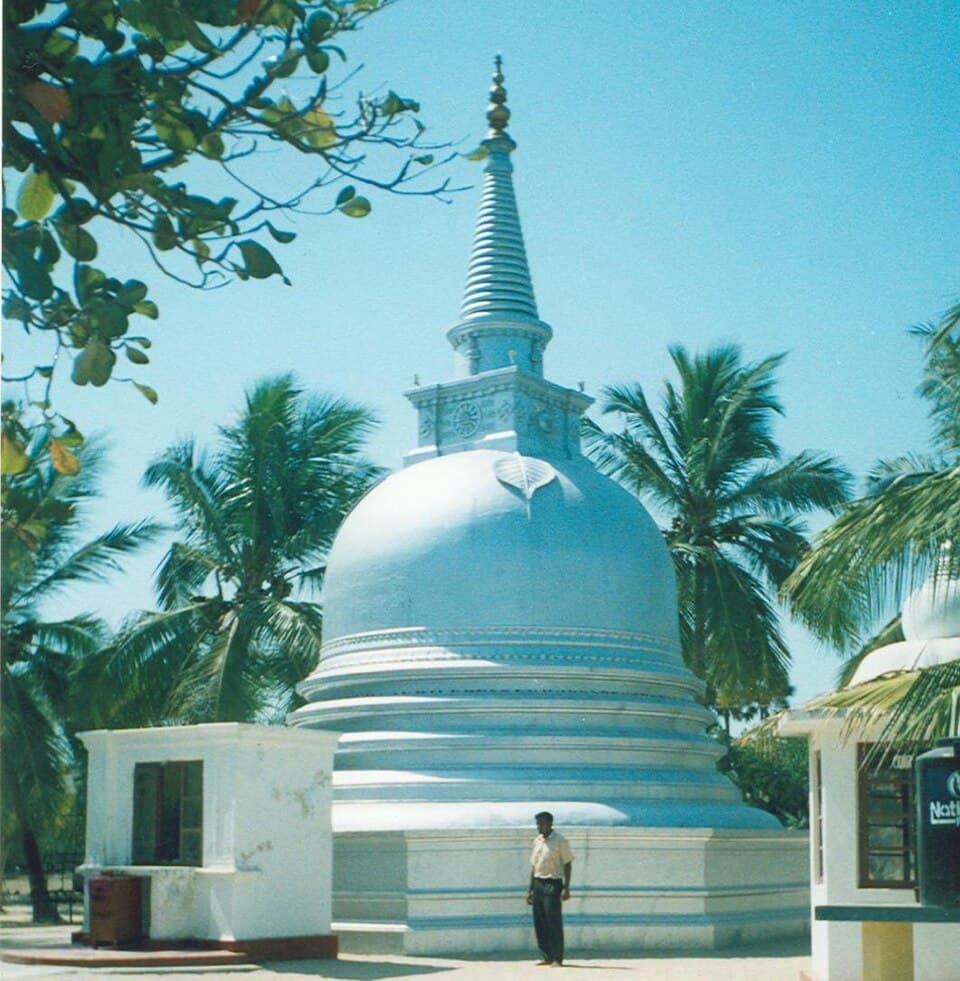
Discover the magic of Somawathiya Stupa. Stupas, also called dagebas and cetiyas, are considered an outstanding type of architectural creation of ancient Sri Lanka.
Highlights
Ancient Temples
Cultural Heritage
Local Architecture
Historical Exploration
About This Destination
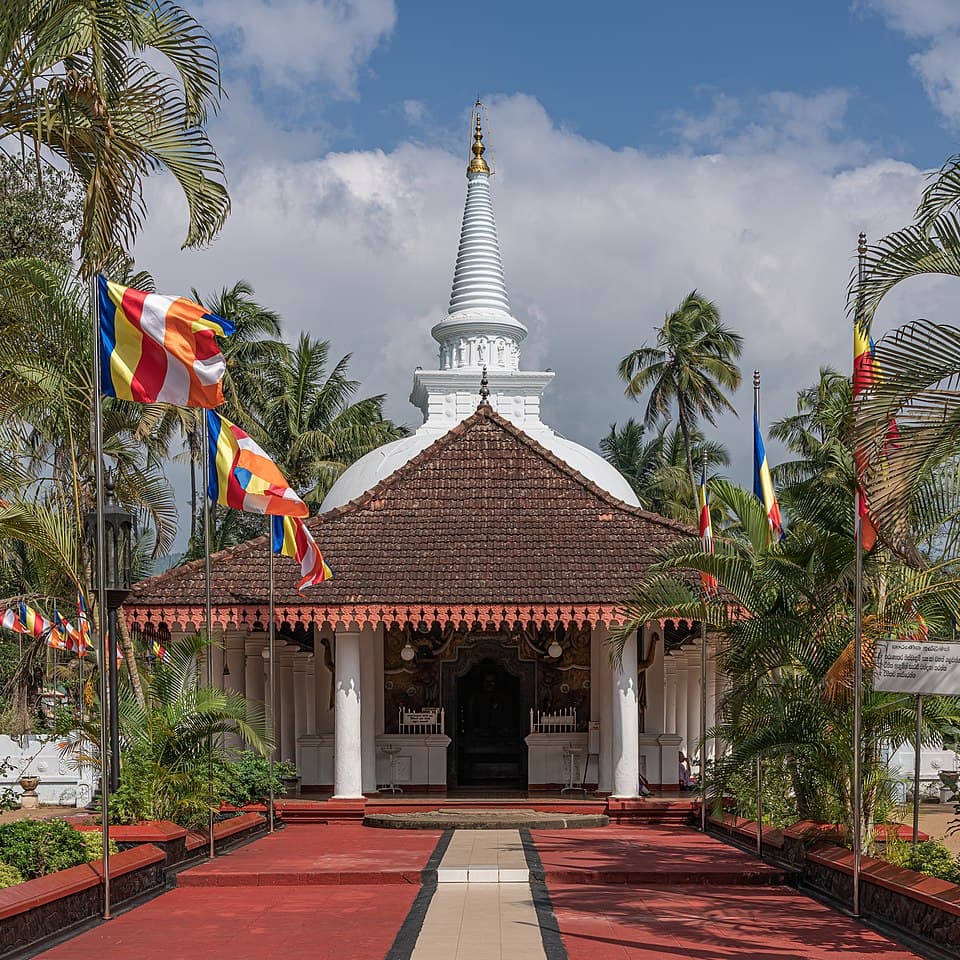
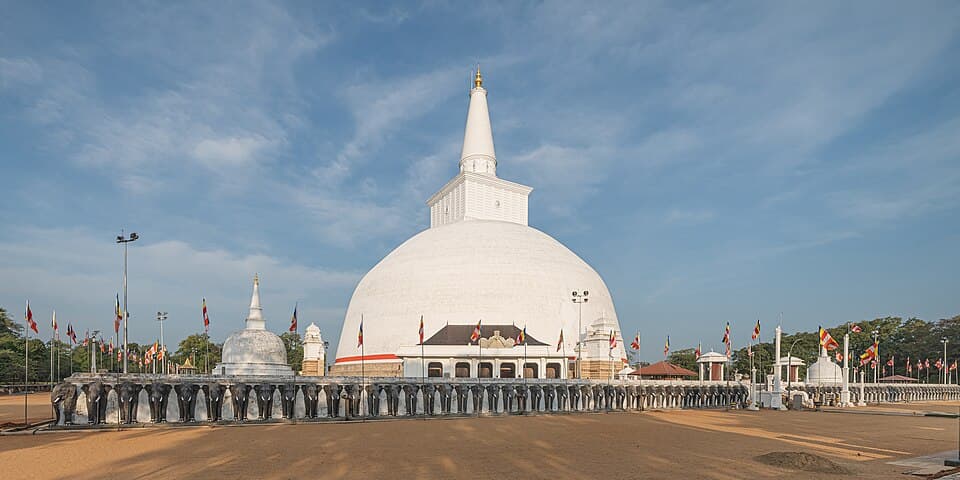
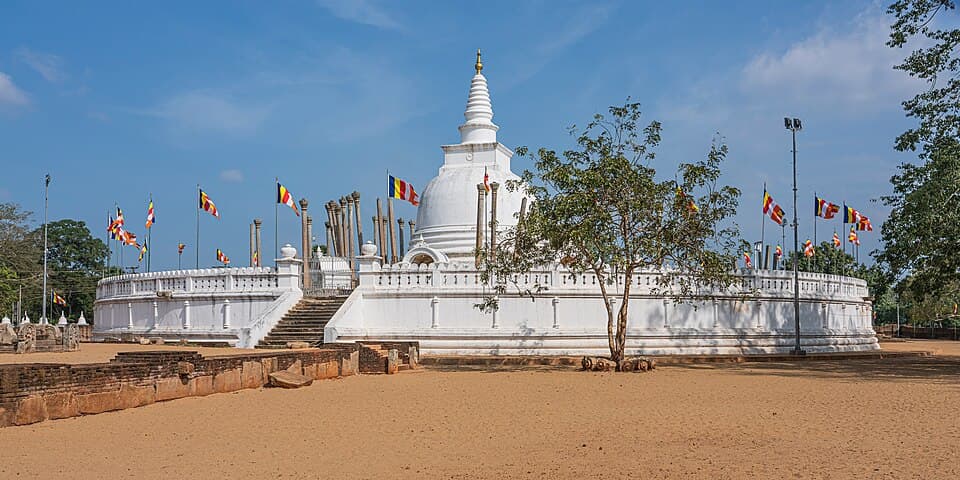
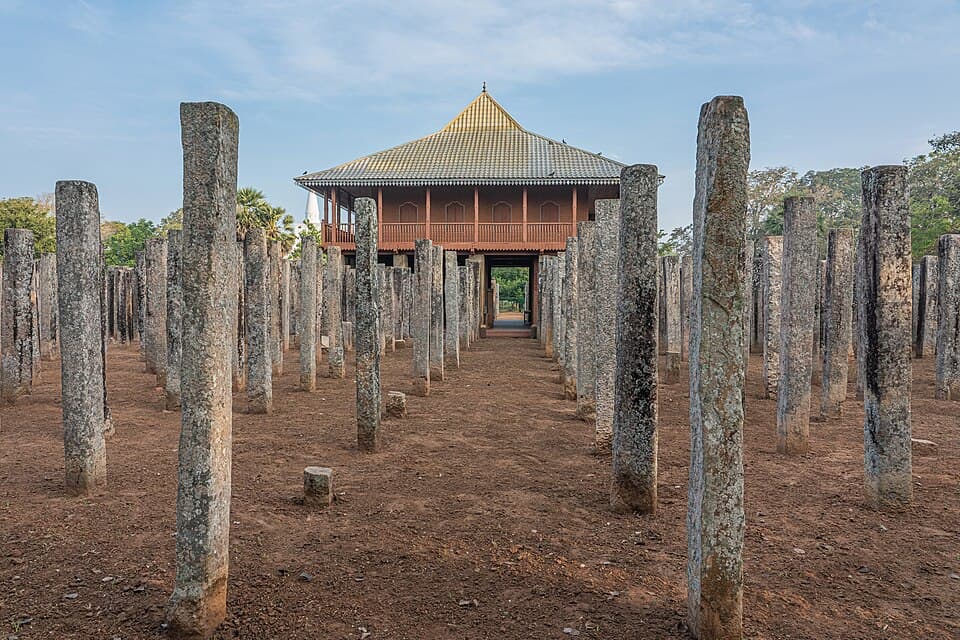
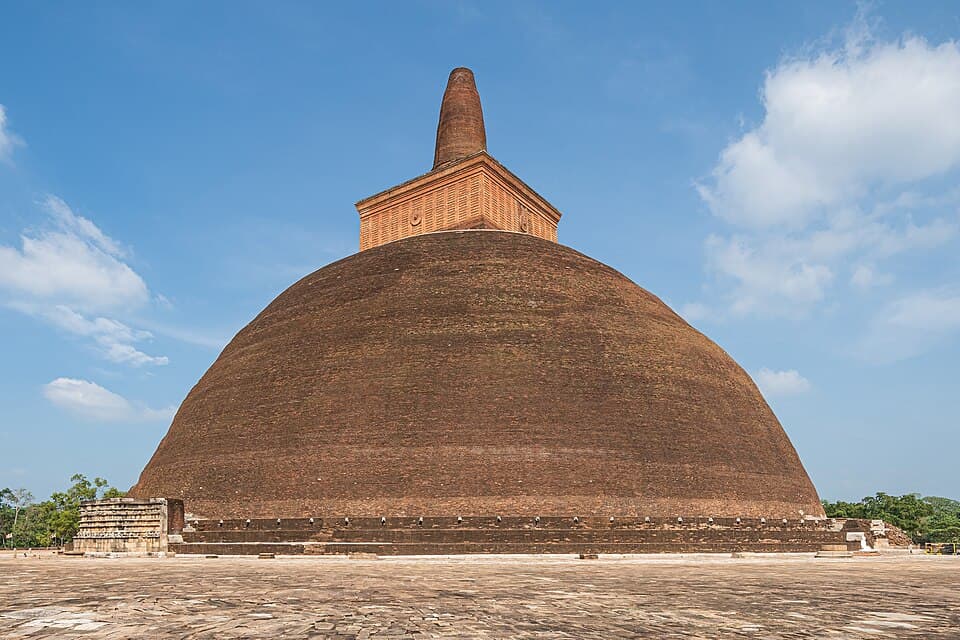
Somawathiya Stupa offers a fascinating glimpse into history. Stupas, also called dagebas and cetiyas, are considered an outstanding type of architectural creation of ancient Sri Lanka. Under the influence of Buddhism, there were several changes in the field of architecture in Sri Lanka. The stupa commands a prominent place among these changes. The Stupa is also known by synonymous names such as Chaithya, Dagaba, Thupa, Seya and Vehera. Stupas designed and constructed in Sri Lanka are the largest brick structures known to the pre-modern world.
After Rev. Mahinda thero introduced Buddhism during the reign of King Devanampiya Tissa of Anuradhapura (307–267 BCE), in the Sri Lanka's ancient sacred capital of Anuradhapura, the king built the Anuradhapura Maha Viharaya, a mahavihara, after dedicating the Nandana and Mahamega royal pleasure gardens to the Maha Sangha. The earliest monument found in Sri Lanka is the Stupa, which is described as a hemispherical dome surmounted with a spire (kota).
Mahiyangana Raja Maha Vihara in Mahiyangana, Uva Province is regarded as the first stupa of ancient Sri Lanka The first historical stupa constructed after the arrival of Mahinda in Sri Lanka is Thuparamaya, which was built during the reign of King Devanampiya Tissa. Afterwards many stupas were built, some colossal stupas, biggest of which is Jetavanaramaya.
Whether you're looking for adventure or relaxation, visiting Somawathiya Stupa is an experience you will never forget!
Itinerary
Exploring Somawathiya Stupa
Experience the best of Somawathiya Stupa and its surroundings.
- Morning - Arrival and introduction to the area
- Late Morning - Guided exploration of main attractions
- Lunch - Enjoy authentic local cuisine
- Afternoon - Photography and relaxing in scenic spots
- Late Afternoon - Souvenir shopping and local interaction
What to Bring
Important Information
- !Respect local customs and traditions
- !Photography is allowed in most areas
- !Stay hydrated throughout the day
- !Follow guidance for safety and conservation
- !Check weather forecasts before your visit
What's Included
- Local guidance
- Transportation arrangements
- Information about site history
- Recommendations for local food
- Assistance with ticketing
More Cultural Heritage Destinations





















Frequently Asked Questions
Answers to all your Sri Lanka travel questions – from visas to must-see spots and more. Can't find yours? Contact us!