
Full Story
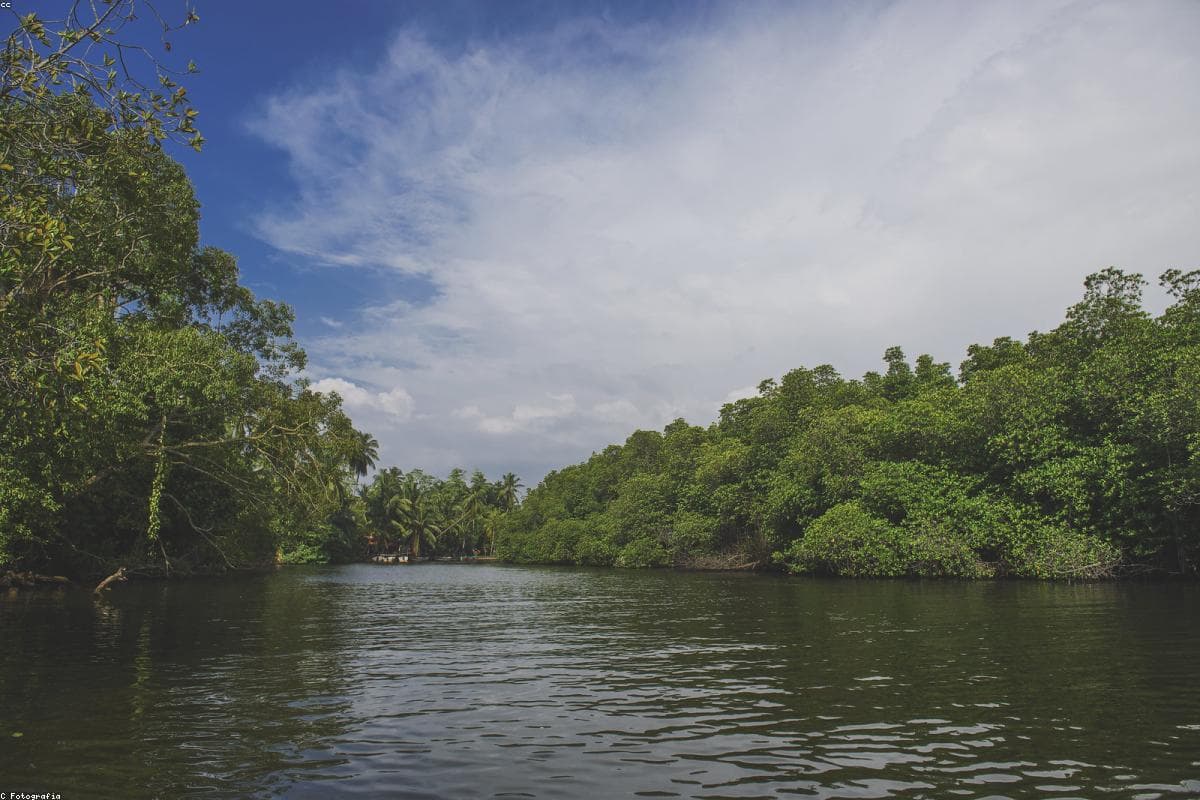
Sri Lanka has a growing number of eco-lodges, treehouses and nature camps, from simple cabins in the rainforest to luxury tents beside national parks. Staying in one is a great way to see wildlife, hear the jungle at night and support conservation-minded businesses.
Where to find them
- Sinharaja and the southwest rainforest: Lodges near the forest edge for birdwatching and nature walks.
- Sigiriya, Habarana and Dambulla: Treehouses and jungle cabins close to the ancient cities, sometimes with views of Sigiriya.
- Yala and Udawalawe: Tented safari camps and lodges on the park boundaries.
- Knuckles Range and Kitulgala: Mountain and river lodges for trekking and rafting.
- Wilpattu: Rustic lodges and camps near the park.
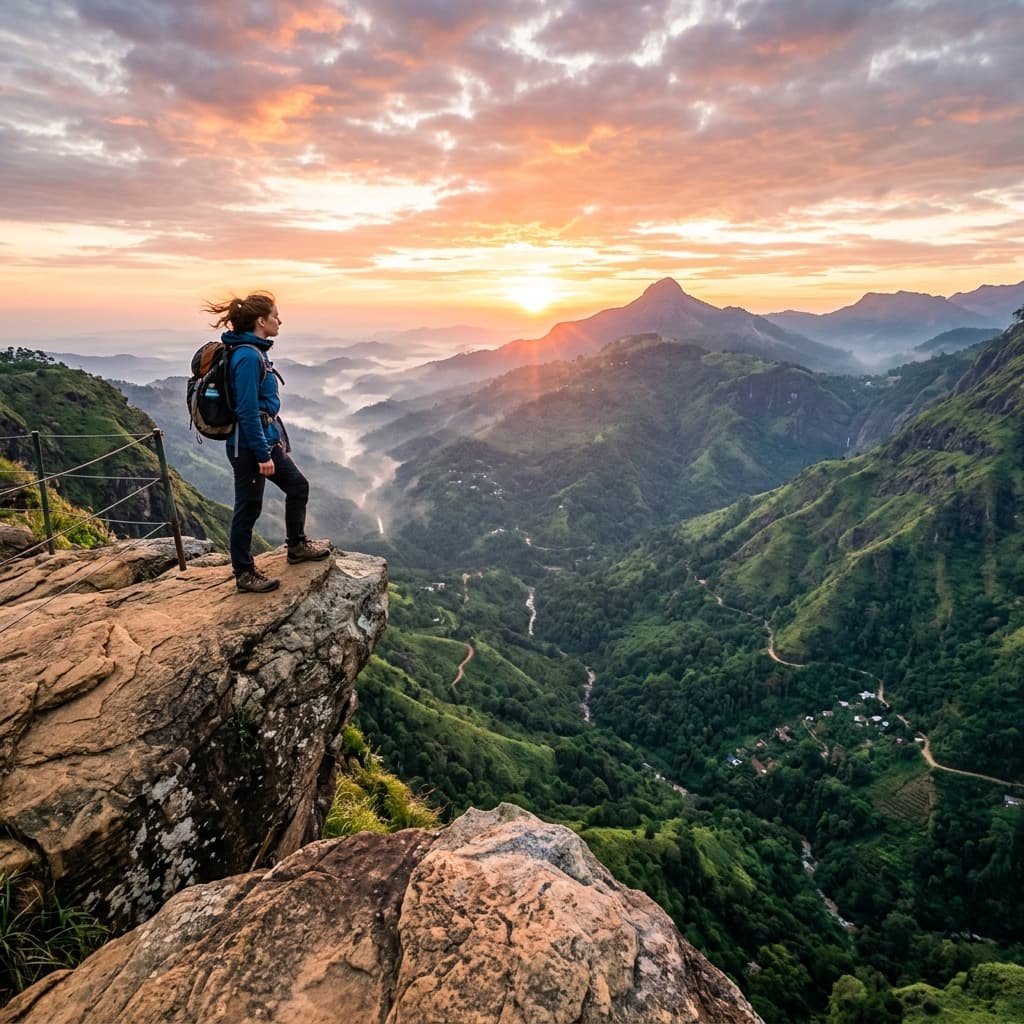
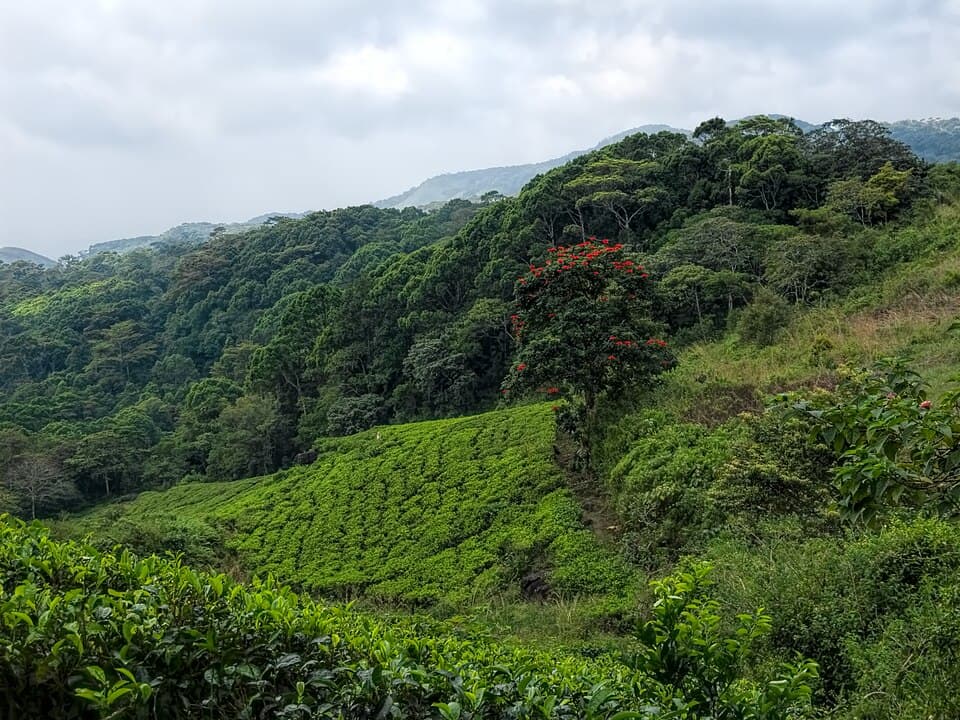
- Hill country: Cabins and glamping among tea and forest.
What to expect
Eco-lodges are about being close to nature. Expect open-sided rooms, mosquito nets, outdoor showers, the sounds of frogs and insects at night, and sometimes monkeys on the roof. Many have limited air conditioning or none at all, solar power and simple, delicious local food. Wi-Fi may be slow or limited.
What makes a lodge genuinely sustainable?
"Eco" is used loosely. Look for:
- Local staff and local ownership or partnership
- Buildings that use local materials and fit the landscape
- Solar power, rainwater harvesting and good waste management
- Refillable water instead of plastic bottles
- Food sourced locally or from their own gardens
- Respect for wildlife: no feeding animals, no captive animal shows
- Support for local conservation or community projects
Who will love it
Wildlife lovers, birdwatchers, families with curious kids, couples looking for something different, and anyone tired of standard hotels.
Who might not
If you dislike insects, need strong air conditioning or reliable Wi-Fi, mix one or two nature stays with conventional hotels.
Packing tips
- Insect repellent and a torch
- Light long sleeves for the evening
- Binoculars for birds and wildlife
- Leech socks in rainforest areas