
Full Story
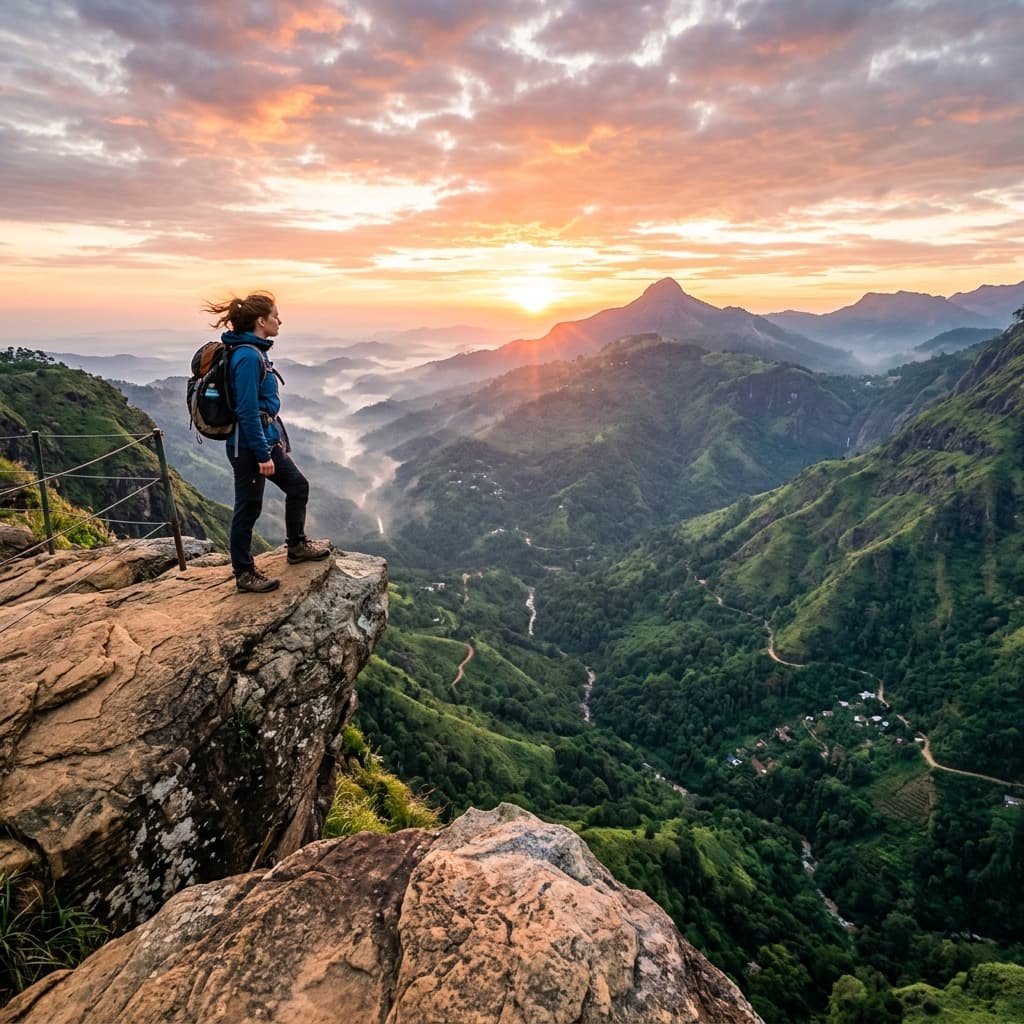
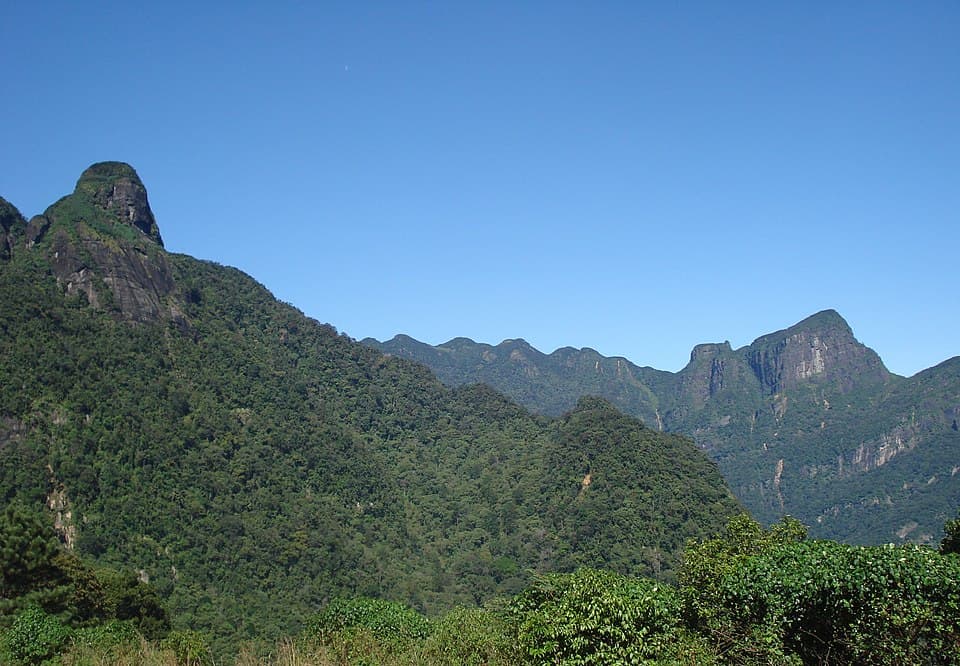
The Knuckles Mountain Range, northeast of Kandy, is one of the wildest and most beautiful areas of Sri Lanka. Its name comes from the way the peaks look like the knuckles of a clenched fist when seen from Kandy. Part of the Central Highlands World Heritage Site, it has cloud forest, grasslands, waterfalls, rice terraces and remote villages, with far fewer visitors than Ella or Horton Plains.
Popular trails
- Pitawala Pathana and Mini World's End: An easy walk of about 1 to 2 hours across grassland to a dramatic cliff viewpoint. Good for a short taster.
- Nitro Cave trail: A forest trail to a cave once mined for saltpetre, home to bats.
- Meemure village trek: A full-day or overnight trek to one of Sri Lanka's most remote villages, surrounded by mountains, with rivers to swim in.
- Dothalugala trail: A forest nature trail with endemic birds and lizards.
- Multi-day traverses: Two- or three-day treks crossing the range with camping or homestays, for experienced hikers.
Guides and permits
Much of the range is a protected conservation forest managed by the Forest Department. Entry fees are charged at the main trailheads, and for most trails beyond the short walks a local guide is recommended or required. Weather changes fast, paths are often unmarked, and guides also help you meet villagers and spot wildlife.
Best time to go
The driest months are generally January to April. The range gets heavy rain in both monsoons, especially from October to December. Trails become slippery and leeches are abundant in wet weather.
Wildlife
The Knuckles is a hotspot for endemic species, including several lizards and frogs found nowhere else. Birdwatchers can find Sri Lanka grey hornbill, yellow-fronted barbet and other endemics. Purple-faced langurs and toque macaques are common.
Getting there
The main access points are from Kandy via Rangala or Corbett's Gap (about 1.5 to 2 hours), or from Matale via Riverston on the western side. Meemure is reached by a winding road from Hunnasgiriya. Hire a driver or go with a trekking operator, as public transport is limited.
What to bring
- Waterproof jacket and quick-dry clothing
- Hiking shoes with good grip
- Leech socks in the wet season
- Water, snacks and a torch
- Cash for entrance fees and homestays